1-800-586-5412
Mon - Fri 8am - 5pm PST

0 $0.00
items in your cartto quote Checkout
Ooops no items were found.
Try something else.
Ok
Loading…

CO2 Supply Options for Pacific Northwest Cannabis Growers: Cylinders, Bulk, and Microbulk

CO2 for Cannabis Growers in Oregon and Southern Washington CO2 for Cannabis Growers in Oregon and Southern Washington

CO2 Supply Options for Pacific Northwest Cannabis Growers: Cylinders, Bulk, and Microbulk

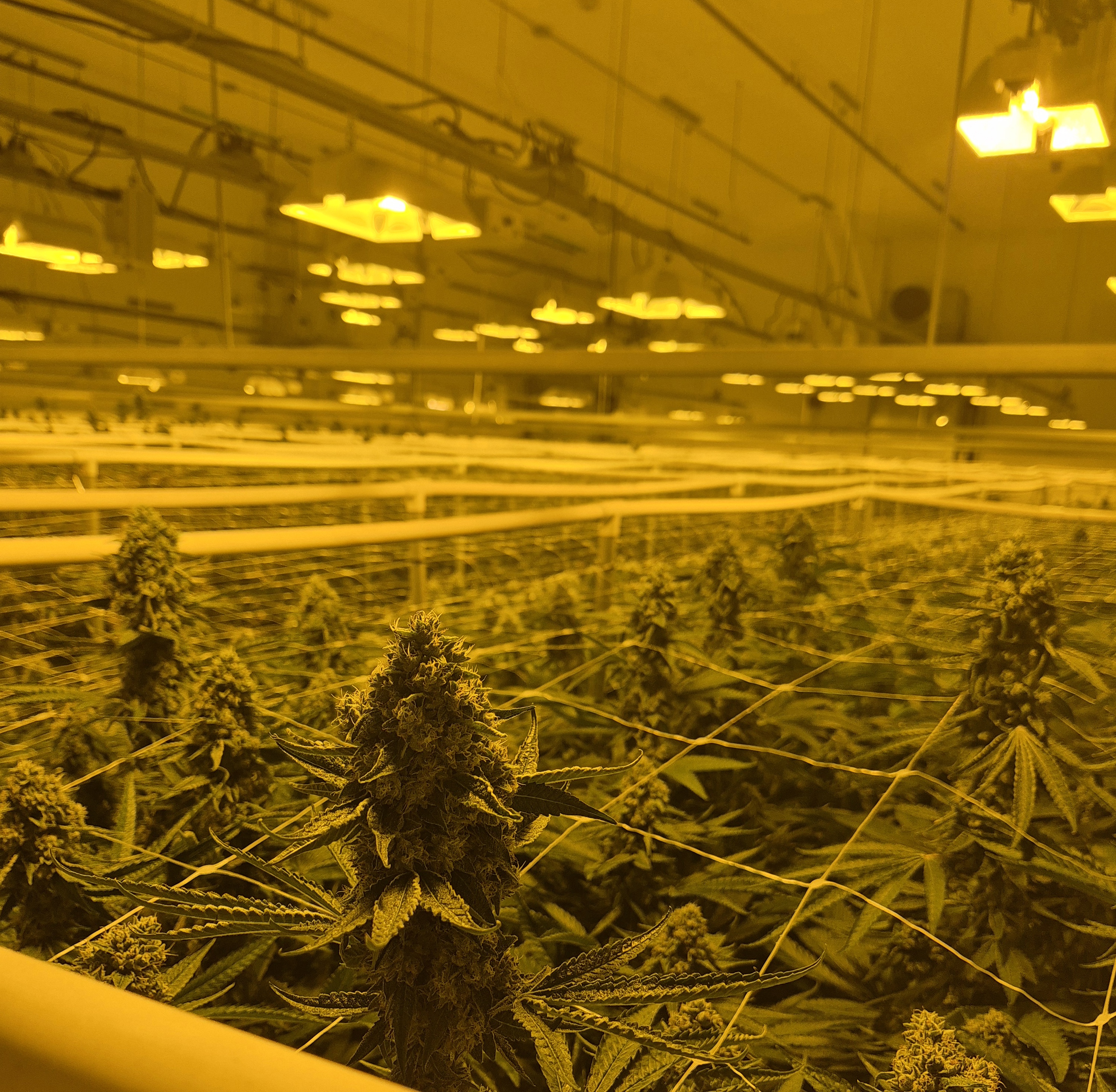
If you grow cannabis on a larger scale in Oregon or Southwest Washington, you already know that CO2 supplementation is one of the most reliable levers you have for pushing yield and quality. Elevated CO2 levels speed up photosynthesis, which means faster growth cycles and, ultimately, bigger harvests. The bigger question most growers eventually run into isn't whether to use CO2 — it's which supply method makes the most sense as the operation grows.

For many growers, cylinders are where things start. They're a familiar, well-understood way to get CO2 on-site, and for a smaller grow, they often do the job just fine. But as an operation scales up, it's worth knowing that cylinders aren't the only option — bulk and microbulk systems exist specifically to serve larger, more consistent CO2 needs.

How Cylinder Supply Typically Works

With cylinders, CO2 arrives in individual tanks that get swapped out as they're used. It's a straightforward system, and for many growers it's the natural starting point.

As usage grows, though, a few things become more relevant to manage: keeping an eye on how much CO2 is left in rotation, coordinating deliveries and swaps around the grow schedule, and having enough tanks on hand to cover gaps between deliveries. None of this is unusual — it's just part of how a cylinder-based system works, and plenty of growers manage it without issue. It's simply worth knowing there's a different model built for higher-volume, more continuous use.

What Bulk and Microbulk CO2 Offer

Bulk and microbulk CO2 systems take a different approach. Instead of a rotation of individual cylinders, a dedicated on-site tank is sized for your grow and refilled in place by your supplier.

A few things that tend to come with this model:

  1. A single on-site system. One tank refilled where it sits, rather than a rotation of individual cylinders.
  2. A larger working buffer. A properly sized bulk or microbulk tank generally holds more supply than a cylinder rotation, giving you more room between refills.
  3. Scheduled refills. Deliveries are typically planned around your actual usage rather than initiated order by order.
  4. Less day-to-day handling. Less time spent tracking levels, coordinating swaps, or placing individual orders.
  5. A tank sized to fit your space and volume, rather than a standard cylinder size.

Some suppliers also offer remote monitoring to help fine-tune delivery timing, but the core difference is really about scale: bulk and microbulk are built for operations that use enough CO2 that a dedicated on-site system starts to make more sense than a cylinder rotation.

Choosing a Setup That Fits

Neither approach is inherently right or wrong — it really comes down to volume, space, and how hands-on you want to be with managing supply. Cylinders can be a perfectly good fit for smaller or newer grows. Bulk and microbulk tend to make more sense once CO2 usage and grow size reach a point where a dedicated system starts to pay off in time saved and supply reliability.

A good CO2 supplier should be able to talk through both options honestly, help you figure out where your operation currently sits, and offer a system that matches — whether that's staying on cylinders for now, moving to a bulk or microbulk tank, or a turnkey setup that includes the tank, installation, and ongoing service. Some growers want everything bundled together; others already have equipment in place and just need the tank and hardware to fit into it. A flexible partner should be able to work either way.

Why Local Coverage Matters

Whichever method you use, the delivery network behind it matters. A supplier based far from your grow, running routes on an unpredictable schedule, can make even a well-designed system feel unreliable.

That's really a regional logistics question. A supplier with an established footprint across Oregon and into Southwest Washington can route deliveries efficiently, respond quickly if something comes up, and build a schedule around real driving distances rather than best-case estimates. For growers in this part of the country, that local presence often makes a bigger difference than the delivery method itself.

Questions Worth Asking a CO2 Supplier

Whether you're sticking with cylinders or exploring bulk and microbulk, a few questions can help you find the right fit:

  1. Can they size a system to match your actual usage — cylinders, microbulk, or bulk — rather than defaulting to one option?
  2. Do they offer scheduled refills based on usage, or is every order initiated manually?
  3. Can they support a full turnkey system, and also just supply tank and equipment if that's all you need?
  4. Do they have an established presence in your region — Oregon, Southwest Washington, or wherever you're located — rather than treating your area as an occasional route?
  5. What happens if something goes wrong — is there a real support relationship, or just a transaction?

The Bottom Line

Cylinders remain a solid option for a lot of growers, especially at smaller scale. But it's worth knowing that bulk and microbulk CO2 systems exist as an alternative built for operations that have outgrown the day-to-day management a cylinder rotation requires. Understanding both options — and where your grow currently fits — makes it easier to choose a CO2 supply method that supports the operation you're running today and the one you're building toward.


Industrial Source provides CO2 solutions — including cylinders, bulk, and microbulk systems — along with dependable deliveries for cannabis growers throughout Oregon and Southwest Washington, with locations in Coos Bay, Springfield, Portland, Tigard, Medford, Grants Pass, Roseburg, and Salem. Request a consultation today here

CO2 Supply Options for Pacific Northwest Cannabis Growers: Cylinders, Bulk, and Microbulk

CO2 for Cannabis Growers in Oregon and Southern Washington CO2 for Cannabis Growers in Oregon and Southern Washington

CO2 Supply Options for Pacific Northwest Cannabis Growers: Cylinders, Bulk, and Microbulk

If you grow cannabis on a larger scale in Oregon or Southwest Washington, you already know that CO2 supplementation is one of the most reliable levers you have for pushing yield and quality. Elevated CO2 levels speed up photosynthesis, which means faster growth cycles and, ultimately, bigger harvests. The bigger question most growers eventually run into isn't whether to use CO2 — it's which supply method makes the most sense as the operation grows.

For many growers, cylinders are where things start. They're a familiar, well-understood way to get CO2 on-site, and for a smaller grow, they often do the job just fine. But as an operation scales up, it's worth knowing that cylinders aren't the only option — bulk and microbulk systems exist specifically to serve larger, more consistent CO2 needs.

How Cylinder Supply Typically Works

With cylinders, CO2 arrives in individual tanks that get swapped out as they're used. It's a straightforward system, and for many growers it's the natural starting point.

As usage grows, though, a few things become more relevant to manage: keeping an eye on how much CO2 is left in rotation, coordinating deliveries and swaps around the grow schedule, and having enough tanks on hand to cover gaps between deliveries. None of this is unusual — it's just part of how a cylinder-based system works, and plenty of growers manage it without issue. It's simply worth knowing there's a different model built for higher-volume, more continuous use.

What Bulk and Microbulk CO2 Offer

Bulk and microbulk CO2 systems take a different approach. Instead of a rotation of individual cylinders, a dedicated on-site tank is sized for your grow and refilled in place by your supplier.

A few things that tend to come with this model:

  1. A single on-site system. One tank refilled where it sits, rather than a rotation of individual cylinders.
  2. A larger working buffer. A properly sized bulk or microbulk tank generally holds more supply than a cylinder rotation, giving you more room between refills.
  3. Scheduled refills. Deliveries are typically planned around your actual usage rather than initiated order by order.
  4. Less day-to-day handling. Less time spent tracking levels, coordinating swaps, or placing individual orders.
  5. A tank sized to fit your space and volume, rather than a standard cylinder size.

Some suppliers also offer remote monitoring to help fine-tune delivery timing, but the core difference is really about scale: bulk and microbulk are built for operations that use enough CO2 that a dedicated on-site system starts to make more sense than a cylinder rotation.

Choosing a Setup That Fits

Neither approach is inherently right or wrong — it really comes down to volume, space, and how hands-on you want to be with managing supply. Cylinders can be a perfectly good fit for smaller or newer grows. Bulk and microbulk tend to make more sense once CO2 usage and grow size reach a point where a dedicated system starts to pay off in time saved and supply reliability.

A good CO2 supplier should be able to talk through both options honestly, help you figure out where your operation currently sits, and offer a system that matches — whether that's staying on cylinders for now, moving to a bulk or microbulk tank, or a turnkey setup that includes the tank, installation, and ongoing service. Some growers want everything bundled together; others already have equipment in place and just need the tank and hardware to fit into it. A flexible partner should be able to work either way.

Why Local Coverage Matters

Whichever method you use, the delivery network behind it matters. A supplier based far from your grow, running routes on an unpredictable schedule, can make even a well-designed system feel unreliable.

That's really a regional logistics question. A supplier with an established footprint across Oregon and into Southwest Washington can route deliveries efficiently, respond quickly if something comes up, and build a schedule around real driving distances rather than best-case estimates. For growers in this part of the country, that local presence often makes a bigger difference than the delivery method itself.

Questions Worth Asking a CO2 Supplier

Whether you're sticking with cylinders or exploring bulk and microbulk, a few questions can help you find the right fit:

  1. Can they size a system to match your actual usage — cylinders, microbulk, or bulk — rather than defaulting to one option?
  2. Do they offer scheduled refills based on usage, or is every order initiated manually?
  3. Can they support a full turnkey system, and also just supply tank and equipment if that's all you need?
  4. Do they have an established presence in your region — Oregon, Southwest Washington, or wherever you're located — rather than treating your area as an occasional route?
  5. What happens if something goes wrong — is there a real support relationship, or just a transaction?

The Bottom Line

Cylinders remain a solid option for a lot of growers, especially at smaller scale. But it's worth knowing that bulk and microbulk CO2 systems exist as an alternative built for operations that have outgrown the day-to-day management a cylinder rotation requires. Understanding both options — and where your grow currently fits — makes it easier to choose a CO2 supply method that supports the operation you're running today and the one you're building toward.


Industrial Source provides CO2 solutions — including cylinders, bulk, and microbulk systems — along with dependable deliveries for cannabis growers throughout Oregon and Southwest Washington, with locations in Coos Bay, Springfield, Portland, Tigard, Medford, Grants Pass, Roseburg, and Salem. Request a consultation today here

SEARCH ×